Physiotherapy for Yoga Injuries in Rishikesh
Wrist, shoulder, lower back, hamstring, knee or neck pain from yoga practice? We help yoga teachers, TTC students and international practitioners in Tapovan, Laxman Jhula and Rishikesh recover — and keep practicing.
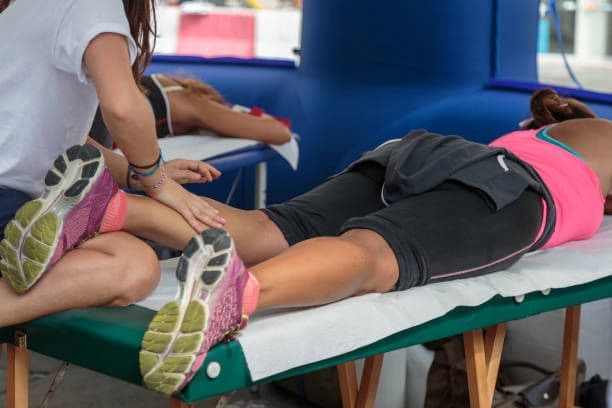
Common Yoga Injuries We Treat
The six issues we see most often in yoga teachers, students and long-term practitioners
Wrist strain & pain
Chaturanga, plank holds, downward dog and arm balances overload the wrist. We rebuild grip mechanics and load tolerance so you can practice without pain.
Shoulder impingement
Repeated chaturangas, sun salutations and inversions wear the rotator cuff. Hands-on release plus scapular control work clears the pinch.
Lower back pain
Forward folds, deep backbends and seated postures with poor pelvic position trigger discs and SI joints. Assessment finds the actual driver, treatment fixes it.
Hamstring strain & insertional pain
Deep forward folds and over-stretching cause hamstring pulls — often near the sitting bone. We treat the tendon and retrain how you load it in poses.
Knee pain in lotus & pigeon
Forcing external rotation into pigeon, lotus or half-lotus stresses the meniscus and medial knee. We restore hip rotation so the knee can rest.
Neck pain from inversions
Headstand, shoulder stand and ujjayi-driven tension load the cervical spine. Manual therapy plus deep-neck flexor work resolves the strain.
Who We Work With
Whether you teach a Mysore room, you're three weeks into a TTC, or you're a long-time hypermobile practitioner, we understand the load and the lifestyle.
Yoga teachers & TTC graduates
Daily practice plus teaching loads compound small issues quickly. We help you keep teaching while you recover.
International students & visitors
Staying in Tapovan, Laxman Jhula or Swargashram for a course? English-speaking therapists, flexible scheduling, hotel and ashram visits available.
Hypermobile practitioners
Naturally flexible bodies need stability, not more range. We coach the strength work most yoga classes don't cover.
Post-injury return-to-mat
Coming back from a strain, surgery or accident? We bridge the gap between medical recovery and full asana practice.
How We Work
Root-cause assessment, manual therapy, pose-specific corrections, and the strength work yoga doesn't usually cover.
Root-cause assessment
We look at the actual movement pattern that's hurting you — not just the painful spot. The cause is usually one or two postures away.
Manual therapy first
Joint mobilization, myofascial release, dry needling where appropriate. Pain goes down before we load you again.
Pose-specific corrections
We retrain the offending postures with you — not abandon them. You leave each session knowing how to do chaturanga or pigeon safely.
Strength to match your range
If you can bend further than you can stabilize, you'll keep getting hurt. Targeted strength work — usually missing from yoga practice.
What a Session Looks Like
Clear, structured, no guesswork
Assessment
Movement screen, pain mapping, and we run through the postures that bother you. Usually 45–60 minutes on visit one.
Hands-on treatment
Manual therapy on the restricted joints and soft tissue. Dry needling for trigger points where indicated.
Pose modification & cueing
We adjust the specific postures causing trouble. You leave with concrete cues you can use in class today.
Home plan & progression
2 or 3 targeted strengthening or mobility drills between sessions. Short, specific, and progressable.
Frequently Asked Questions
Everything yoga practitioners ask before booking
Do you treat international yoga students in Rishikesh?
Yes — a large share of our clinic is international yoga students, teachers and TTC participants staying in Tapovan, Laxman Jhula, Swargashram and Neelkanth. Our clinical physiotherapist Dr. Sachin Panwar speaks fluent English and is experienced with the specific demands of intensive practice, retreats and TTCs.
Can I keep practicing yoga while I recover?
In most cases yes — we'll identify which postures are driving the issue and modify or temporarily remove those, while keeping the rest of your practice intact. Stopping entirely is rarely necessary and often slows recovery. We work alongside your teacher rather than against your practice.
I'm hypermobile and yoga makes my joints feel unstable — can you help?
Yes. Hypermobile practitioners need stability and strength work, not more flexibility. We assess your joint control, teach end-range strength and proprioception drills, and recalibrate which poses are safe for your body type. This is one of the most common gaps we fix.
Do you offer home or hotel visits in Tapovan and Laxman Jhula?
Yes. We provide home and hotel-room visits across Tapovan, Laxman Jhula, Swargashram and central Rishikesh. The therapist brings the equipment needed, so you can be treated wherever you're staying.
How many sessions will I need?
Acute strains and overuse injuries usually resolve in 3–6 sessions. Chronic issues or post-surgical cases run longer. After the first assessment we'll give you a realistic timeline — and most people feel meaningful improvement after session one or two.
Do you provide insurance documentation for international visitors?
Yes. We provide detailed receipts and treatment notes formatted for international travel and health insurance claims. Many international travel insurance policies cover physiotherapy when medically indicated — check your policy specifics.
What does a session cost?
Pricing depends on whether it's in-clinic or a home/hotel visit, and on the treatment plan. Call or WhatsApp +91 8192066849 for current rates — we offer package pricing for ongoing care, transparent fees and no hidden charges.
Stop practicing through pain
Book an assessment and walk out with a clear plan — what's actually wrong, what to modify, and how soon you'll be back to full practice.